90% of RV and campervan users rely on this type of power system.
The system consists of the following components: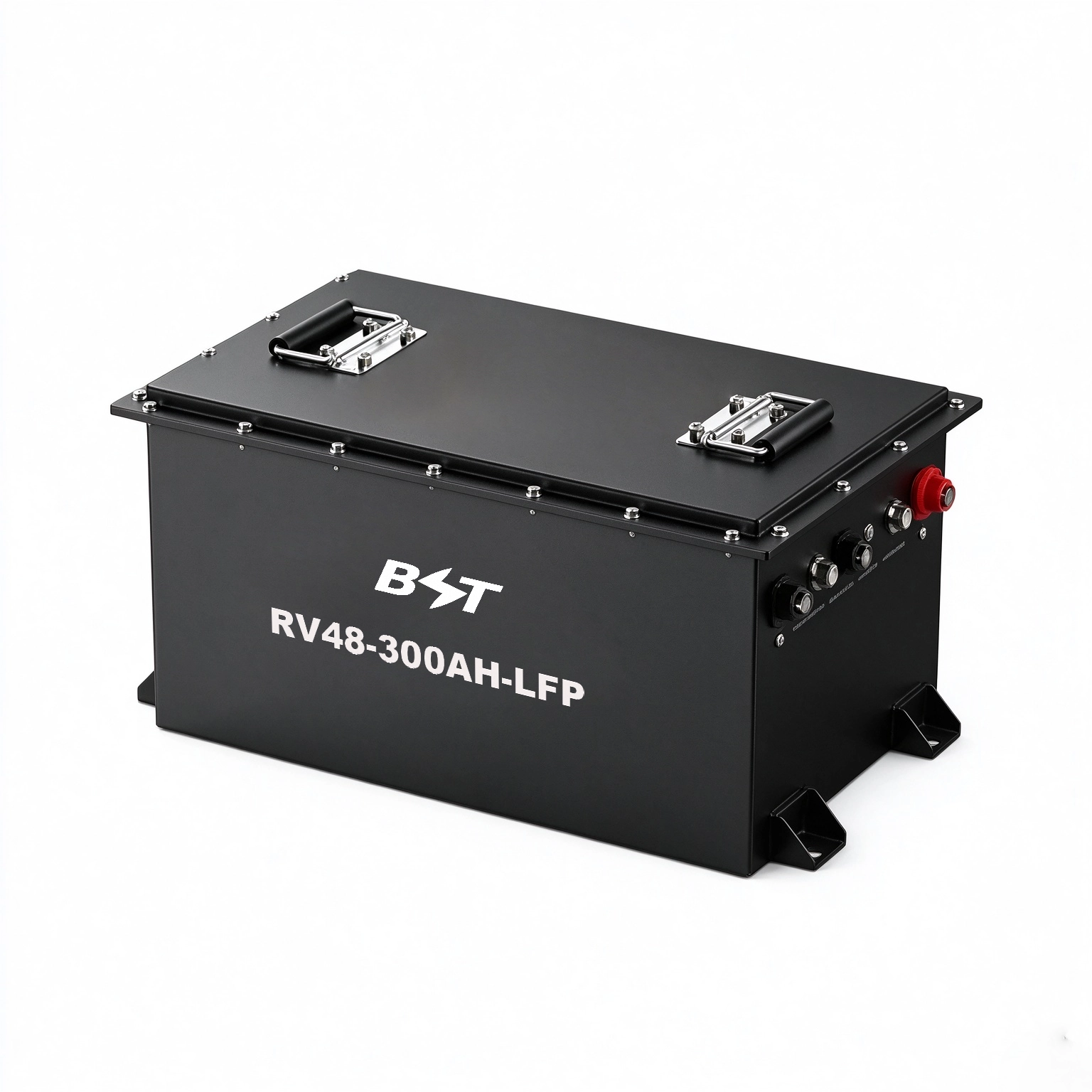
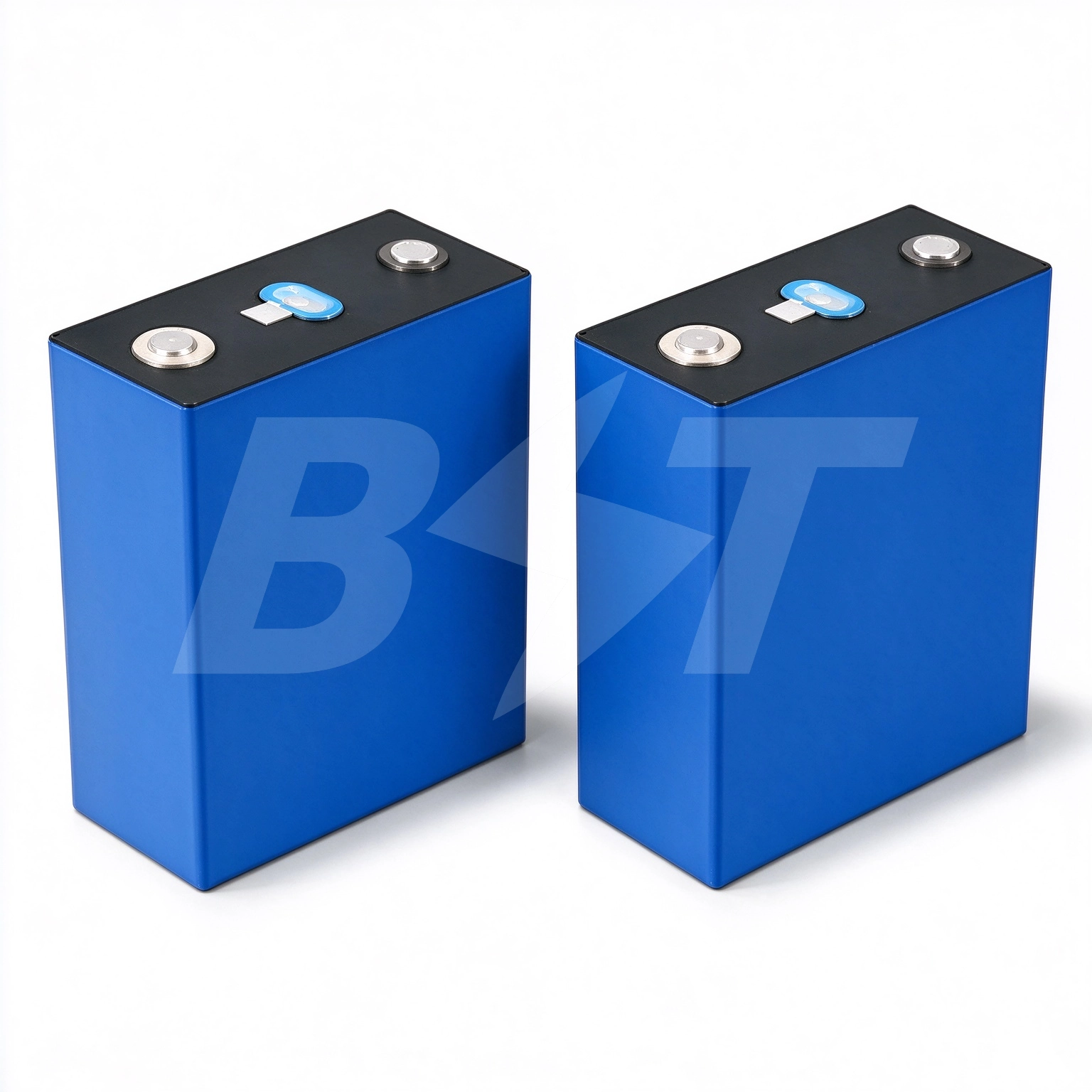
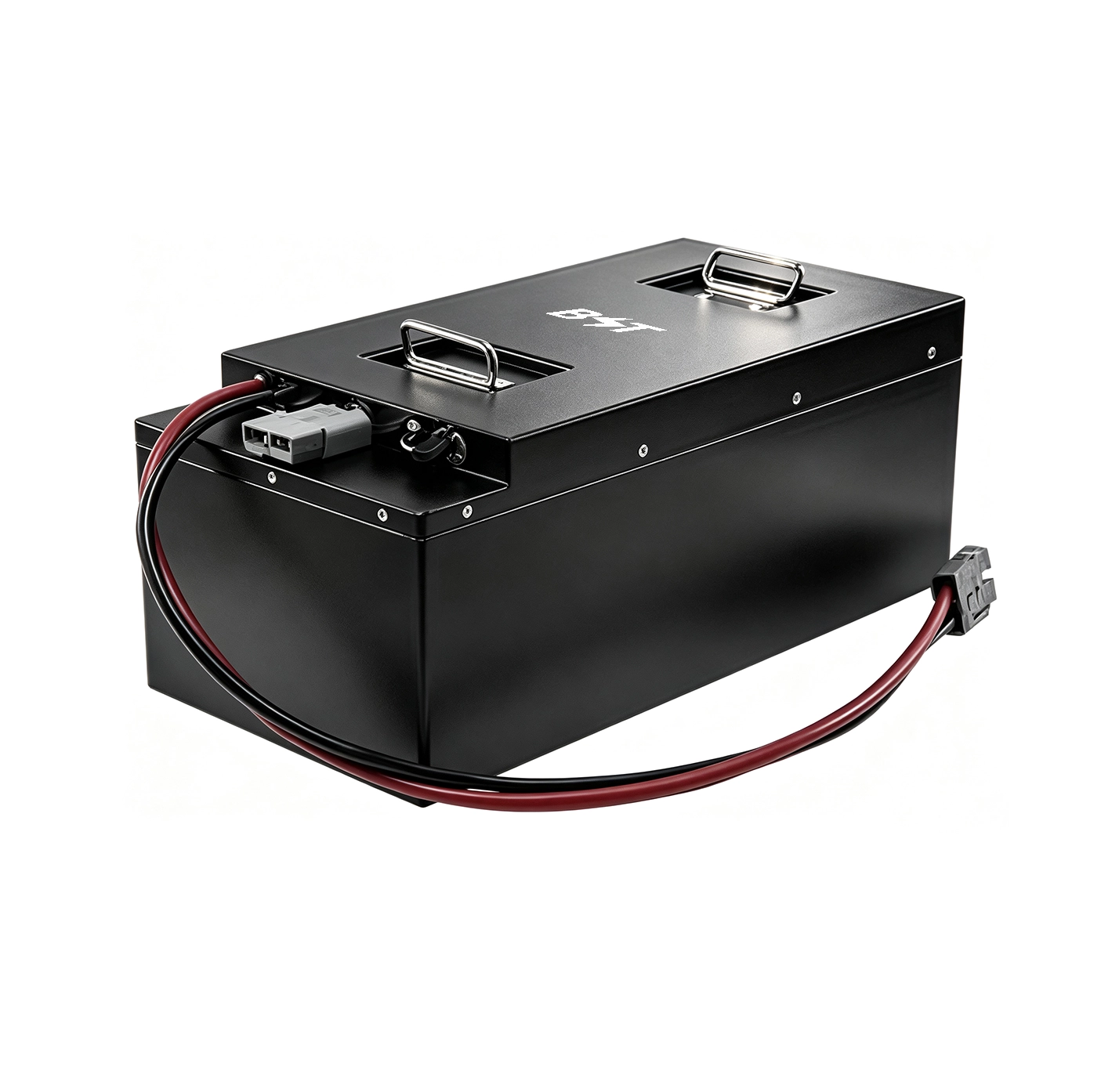
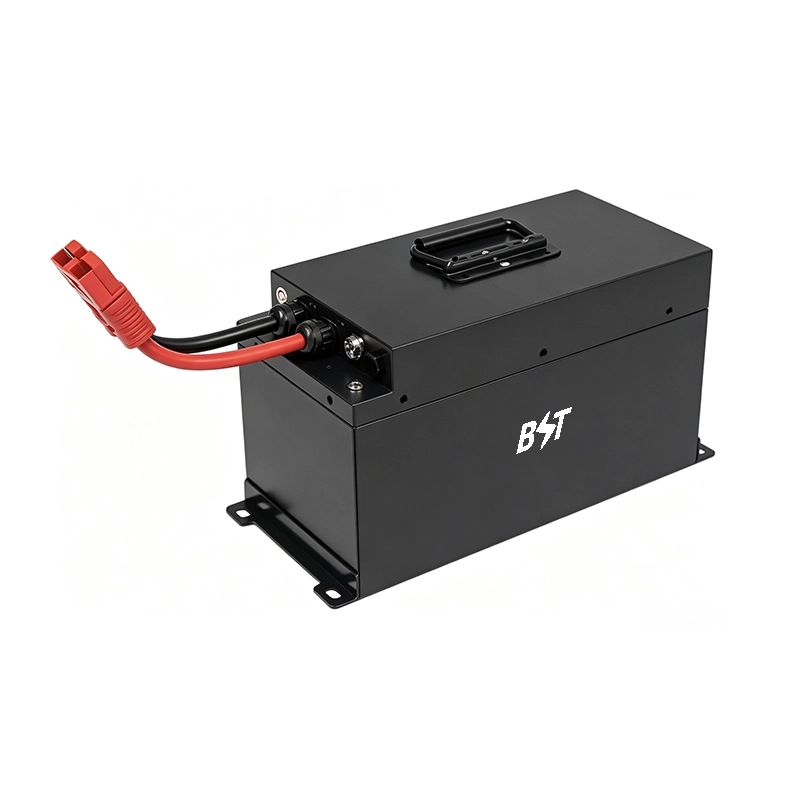
This system uses 16S LiFePO4 cells connected in series, with a capacity of 314Ah. Each battery module provides approximately 1 kWh of energy, giving the complete system a total energy capacity of around 16 kWh.
For the 314Ah cells, we currently offer two options from well-known manufacturers: CATL and Lishen.
Many RV and campervan users may naturally prefer CATL because of its brand recognition and reputation in the battery industry. However, Lishen is also a reliable option with good performance.
One advantage of Lishen cells is their higher capacity headroom. Some Lishen 314Ah cells can reach nearly 340Ah in actual capacity, while CATL cells generally have less capacity headroom but higher price.
Of course, you can select CATL or Lishen based on your preferred brand, capacity requirements, and budget.
For a 48V RV or campervan power system, we believe that high-quality battery cells and a reliable BMS are worth the investment. They provide better protection, more stable operation, and greater peace of mind during long-term use.
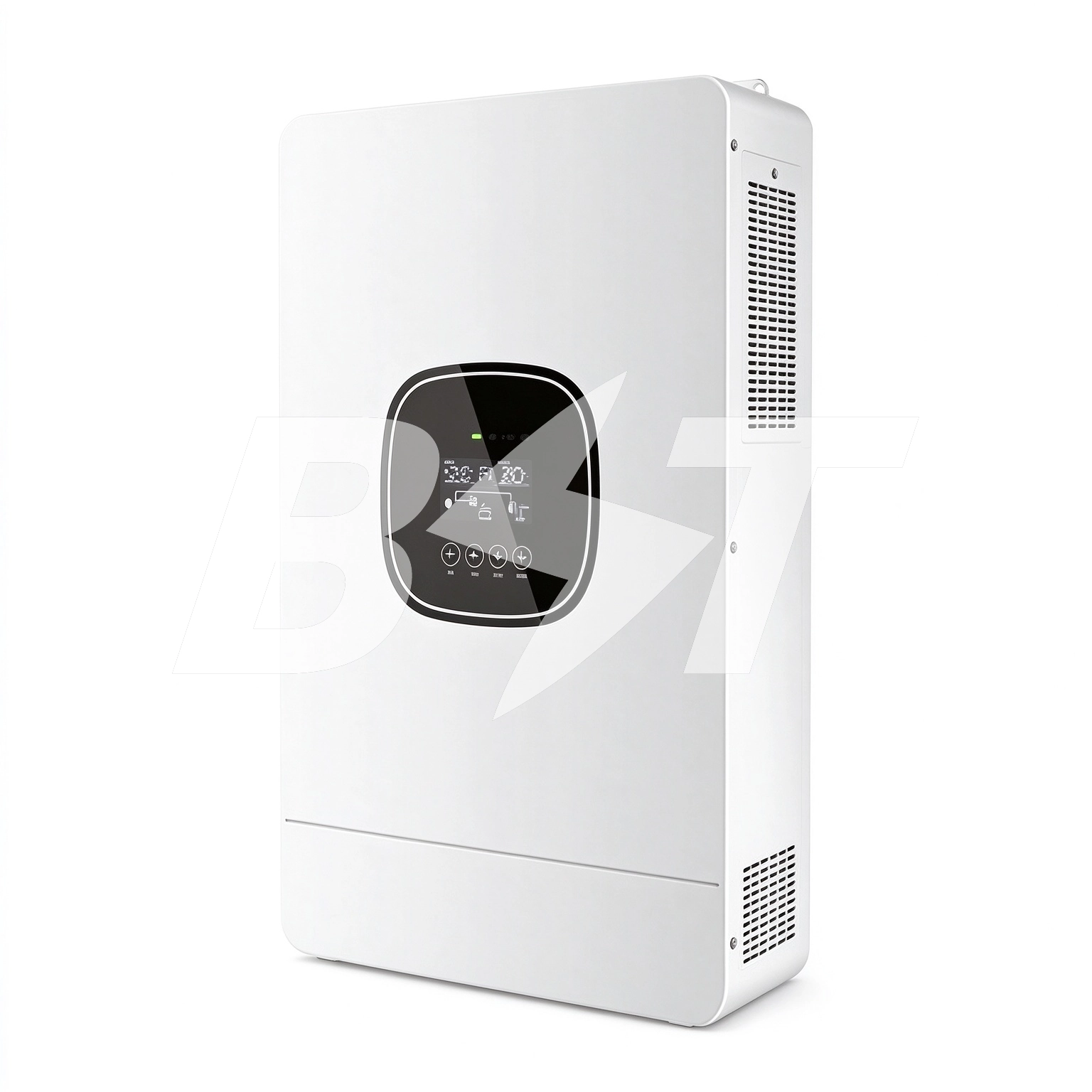
It features a 6.3kW inverter and combines an inverter with a solar charge controller in one unit.
So, why do we call it an All-in-One Inverter Charger?
Because it does much more than simply convert DC to AC.
It is essentially a bidirectional inverter. It can convert the battery’s 48V DC power into 220V AC power for your appliances. At the same time, it can also take 220V AC power and convert it back to DC to charge the 48V battery.
It also has a dedicated PV input, supporting 80V–500V DC solar input, so you can connect solar panels directly and charge the battery from solar power.
But there’s another interesting feature.
With the addition of a fast-charging port, you can connect the system to a high-voltage DC fast-charging station. In this case, the high-voltage DC input is essentially treated in a similar way to the DC power from solar panels, allowing the system to charge the 48V battery from a fast-charging station.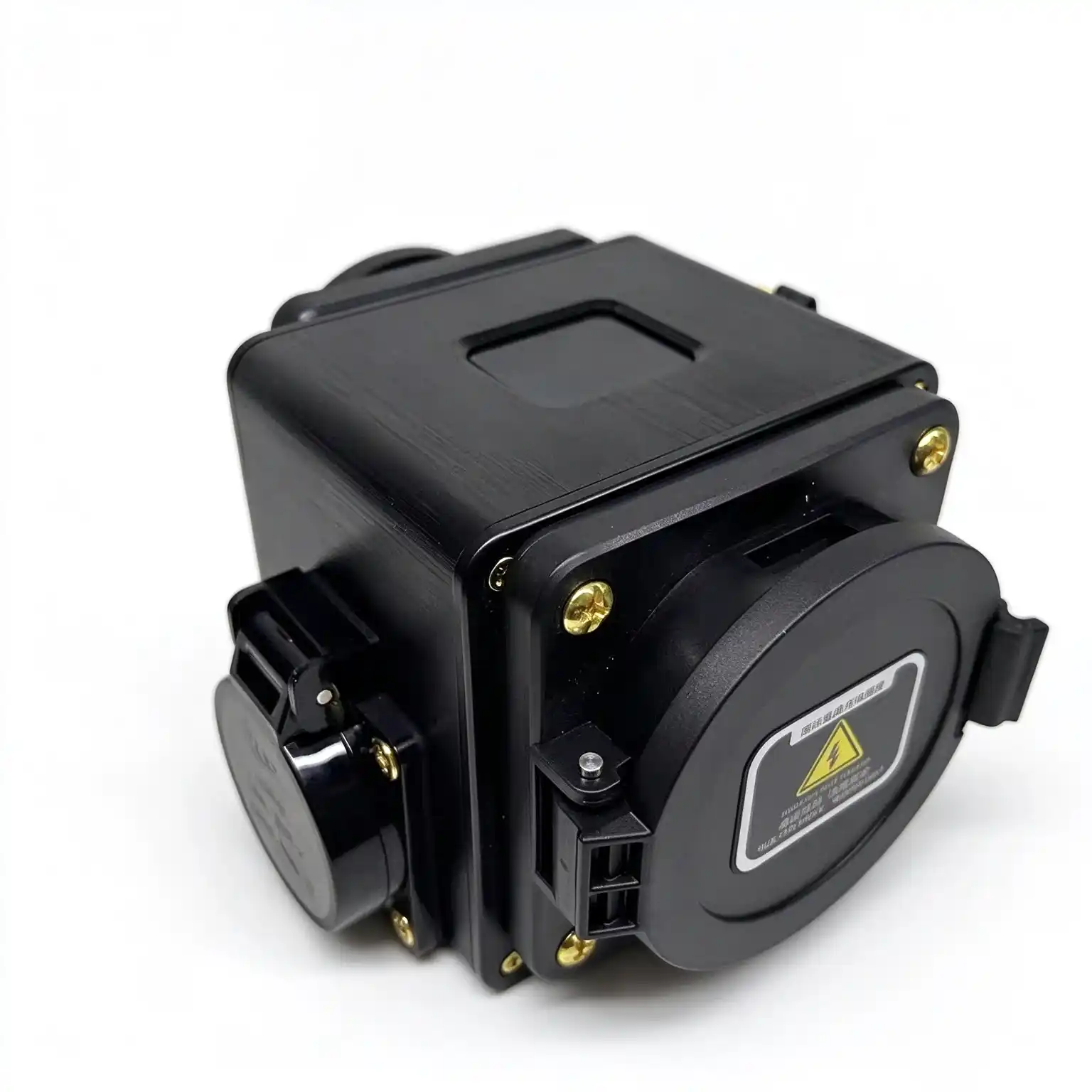
This combination makes the system extremely versatile.
With the battery + All-in-One Inverter Charger + fast-charging port, you can charge the battery in multiple ways:
In other words, you have a highly flexible power system that can work in a wide range of situations.
You might be wondering: Can the battery also be charged while driving?
The answer is yes.
A common question is: if the battery system is 48V, how can it be charged from a vehicle alternator when most vehicles use 12V, while larger trucks may use 24V?
The answer is simple: step up the voltage.
We use an isolated DC-DC boost converter to take the vehicle’s low-voltage DC power and step it up to the voltage required by the 48V battery system.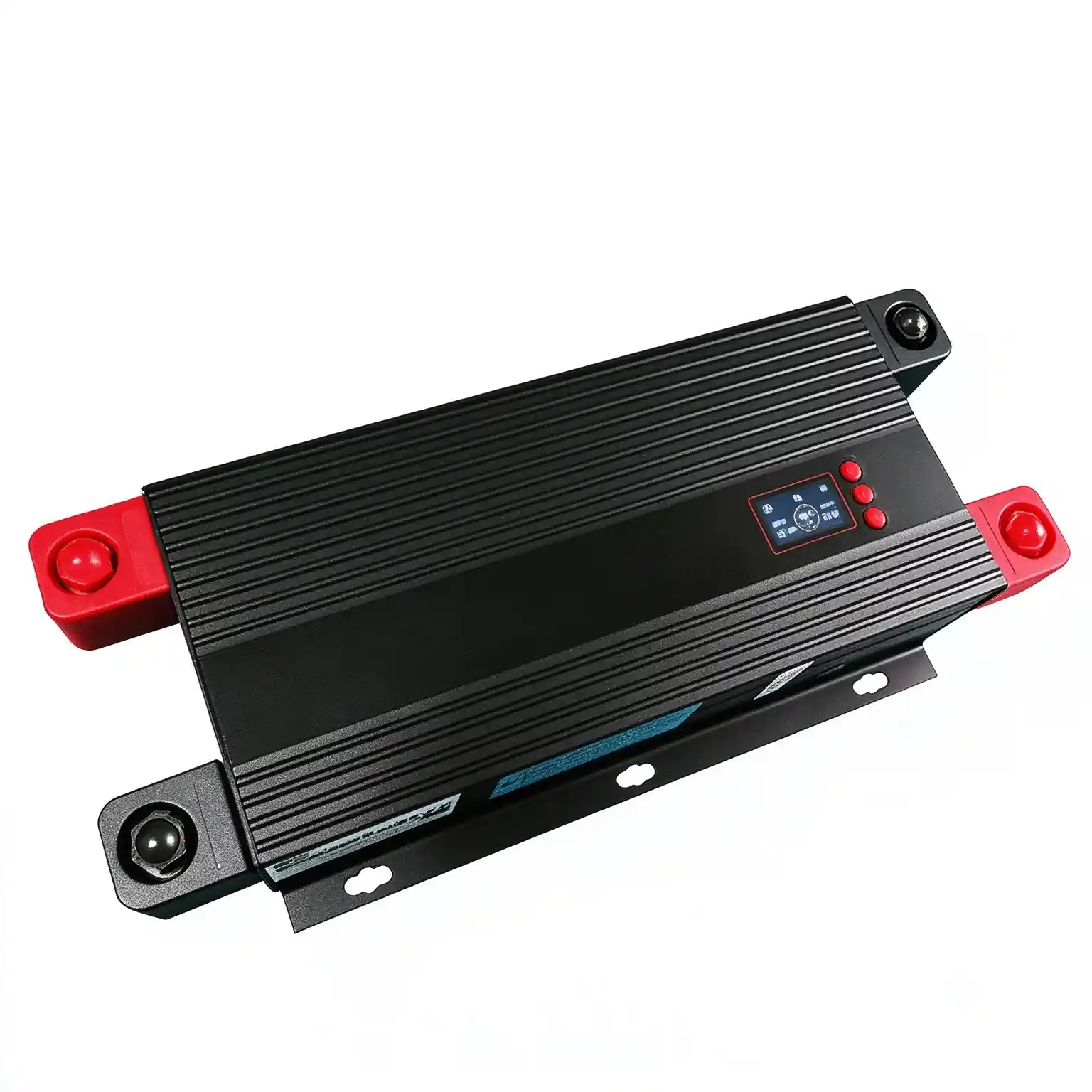
For example, it can convert 12V DC input into approximately 58.4V DC output, which can then be used to charge the battery.
The alternator charging power can reach around 1,200W. After conversion losses, you can still get approximately 1,000W of charging power into the system.
For an RV or campervan, that is already a very useful amount of charging power while you’re on the road.
So, whether you’re parked at a campsite, connected to the grid, using solar panels, plugging into a fast charger, or simply driving down the road, this system gives you multiple ways to keep your battery charged.
Traditionally, most RV and campervan electrical systems are 12V, with 24V in some larger vehicles.
The reason for moving to 48V is actually quite simple: higher voltage means lower current for the same power, which means lower cable losses and less heat.
And this becomes especially important when you combine a 48V battery with a high-power All-in-One Inverter Charger.
Could a 12V system realistically handle 7kW, 5kW, or even 5.5kW of charging power?
Not practically.
Let’s take 3kW as an example. At 12V, 3kW requires about 250A of current. You may need cables around 50 mm², cable heating and voltage drop become serious issues in this situation.
The basic formula is:Power = Voltage × Current.So when the voltage goes up, the current required for the same power goes down.
That’s one of the biggest advantages of 48V.
Our All-in-One Inverter Charger has a 6.3kW inverter.
If you tried to deliver 6.3kW from a 12V battery, the current would be more than 500A. That’s simply not a practical architecture for a high-power RV or campervan system.
With 48V, the current is dramatically lower, making high-power inversion much more practical.
The same applies to charging.
Through a DC fast-charging connection, this system can charge the battery at around 5.5kW. With AC slow charging, charging power can also reach around 5kW, depending on the charging equipment.
This is where the 48V architecture really starts to make sense.
Our battery system stores approximately 16kWh of energy.
So, even if the battery is completely discharged, how long does it take to recharge?
With around 5.5kW of DC fast charging, the theoretical charging time is about 2.9 hours.With around 5kW of AC charging, it is about 3.2 hours.
Of course, actual charging times will be longer because of charging efficiency, the battery’s charging curve, and other system conditions.
You can also charge while driving through the vehicle’s alternator and our DC-DC boost converter. At around 1.2kW of charging power, the charging time will be longer, but you can continuously add energy while you’re on the road.
Now compare this with the traditional 12V system.
Once you start increasing the power to 1.5kW, 2kW, or 3kW, the current becomes extremely high. Cable losses and heat become increasingly difficult to manage.
That’s why 48V is much better suited to a high-power RV or campervan electrical system.
There is another advantage that we really prefer this system.
If you only use your RV or campervan for a few months each year, the system doesn’t have to sit unused for the rest of the year.
You can connect several solar panels directly to the PV input of the All-in-One Inverter Charger.
Because the PV side operates at high voltage, longer cable runs are much more practical. You don’t have to worry as much about voltage drop and cable losses compared with running the same power at low voltage.
You can simply leave the solar panels connected.
When the vehicle is parked at home, the system can effectively work as a small home solar power station, allowing you to make use of the battery and solar panels even when you’re not traveling.
This makes the system more than just an RV power supply. It’s a flexible energy system that can be used on the road, at a campsite, or even at home.
With a 48V battery, a 6.3kW inverter, high-power DC charging, AC charging, solar charging, and vehicle charging all integrated into one system, you get a much more flexible power architecture than a traditional 12V setup.
For us, that’s the real advantage of 48V:
Higher power, lower current, less cable loss, less heat, and more charging options.
And that’s why we believe 48V will become an increasingly common choice for the next generation of RV and campervan power systems.
If you have any questions about this system, or if you’d like to discuss its advantages, limitations, or possible applications, feel free to contact us. We are always happy to discuss the system with you.
We believe this type of 48V architecture has strong potential to become one of the most widely used power system configurations for RVs and campervans in the future.
More importantly, the key components are based on mature, mass-produced industrial products that have already been widely used in real-world applications.
That means this isn’t a system built around experimental technology. It is designed around proven products, stable performance, and long-term reliability—exactly what an RV or campervan power system needs.
.